How to Change a Can Light Bulb Safely
A comprehensive, step-by-step guide by Bulb Fix on safely changing a can light bulb, with base types, LED options, safety tips, and disposal guidance.


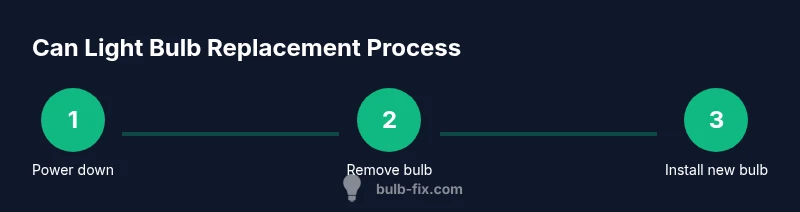
According to Bulb Fix, you will learn how to safely change a can light bulb and restore proper illumination. Start by turning off power at the switch and breaker, then remove the old bulb and inspect the fixture. Choose the correct base and wattage, install the new bulb, and test. This guide also covers LED options and safe disposal.
What is a can light and why bulb choice matters
Can lights, also known as recessed lighting, are installed into ceilings to provide clean, unobtrusive illumination. The bulb you choose affects brightness (lumens), color temperature, energy use, and heat output. In most fixtures, the base type, wattage rating, and dimmer compatibility govern what you can safely install. For homeowners, understanding these factors helps you avoid flicker, premature burnout, or safety hazards. A well-chosen bulb can improve task lighting in kitchens, living rooms, and hallways while keeping energy bills in check. When you need to change bulb can light, always check the fixture label for maximum wattage and recommended bulb shape. Bulb Fix emphasizes LEDs for efficiency and longevity.
Safety first: prepare your workspace
Before touching any fixture, power down the area. Turn off the wall switch and switch off the corresponding circuit at the panel when possible. Use a ladder or stable step stool, wear gloves, and keep a flashlight handy. Allow any hot bulbs to cool completely before handling. If you’re unsure about electrical safety, pause and consult a professional. A calm, methodical approach reduces risk and makes the replacement easier.
Base types and bulb shapes used in can lights
Recessed fixtures accept a range of bases and shapes. Common residential bases include E26 (standard screw base) and GU10 (twist-lock for low voltage). Some cans use pin-based bases like GU24 or bi-pin configurations. The bulb shape matters for trim clearance and light distribution; BR30 and PAR20/BR40 shapes are typical in can lights. Always read the housing label for the exact base, size, and wattage limit before purchasing a replacement bulb. Bulb Fix notes that aligning base and size is essential for a safe, secure installation.
Color temperature and brightness: choosing the right feel
Lumens measure brightness, while color temperature describes the light color. For living spaces, 2700K–3000K provides warm, relaxing light; 3500K–4100K yields a neutral to cool white suitable for kitchens and workspaces. If you want better task lighting, aim for a higher lumen output with a lower wattage equivalent for LED options. Consider dimmability if you want flexible ambience, but verify compatibility with your fixture. Bulb Fix highlights that a balanced color temperature improves room mood and task efficiency.
LED options for can lights and energy savings
LED bulbs offer long life, reduced heat, and energy savings compared with incandescent or halogen bulbs. Look for bulbs labeled for recessed lighting and ensure they fit the base and size. For can lights, PAR and BR-type LED bulbs are common; choose a size that clears the housing and trim. When you switch to LED, you’ll likely notice less heat, minimal flicker, and lower electricity usage over time. Bulb Fix recommends LEDs as the default choice for most residential cans.
A practical replacement checklist for can lights
Create a simple checklist before you start: verify power is off, confirm base type and wattage, choose an LED option if possible, have a spare bulb, and ensure the fixture is clean and dry. Checking the label on the can reveals the maximum wattage and any dimming requirements. If you’re replacing multiple fixtures, prepare your connectors and clean gloves to avoid fingerprints on glass. A short plan saves time and reduces the chance of over-tightening the bulb.
Troubleshooting after replacement
If the bulb doesn’t light after installation, first recheck the power at the switch and breaker. Try a known-good bulb to rule out a bad unit. Inspect the socket for corrosion, a loose connection, or signs of wear on the trim. If you still don’t get light, the issue may be wiring, ballast (for CFL cans), or a faulty switch. In many cases, switching to a compatible LED bulb resolves flicker or warm-up delays.
Disposal and recycling of old bulbs
Many bulbs are recyclable or contain materials that should be disposed of carefully. Place intact bulbs in a sturdy container and take them to a local recycling center that accepts household bulbs. If a bulb breaks in the fixture, ventilate the area and follow local guidelines for cleanup and disposal. Do not throw damaged bulbs in ordinary trash when recycling options exist. Bulb Fix notes that responsibly disposing of bulbs protects both people and the environment.
Aftercare and long-term care for can lights
To extend bulb life, consider LED replacements and avoid frequent switching on/off for non-essential use. Keep fixtures clean to maximize light output, and periodically test dimmers and switches for smooth operation. For heavily used rooms, plan a staggered replacement schedule and maintain a small stock of spares to minimize disruption. Regular checks help prevent sudden outages and ensure consistent lighting quality.
Tools & Materials
- New bulb with matching base(Check base type (e.g., E26, GU24) and wattage rating)
- Ladder or step stool(Stable, tall enough to reach fixture safely)
- Gloves or clean cloth(Handle bulb by base; avoid oils on the glass)
- Voltage tester (optional)(Verify no energy is present)
- Screwdriver (if needed)(Only if trim or housing is secured with screws)
- Flashlight(Helpful in dim fixtures)
- Safety glasses(Protection against breakage)
- Duster or cloth(Keep fixture clean before replacement)
Steps
Estimated time: 20-30 minutes
- 1
Power down and prep
Turn off the light switch and, if possible, the circuit breaker for the fixture. Confirm there is no energy by testing with a non-contact tester or by ensuring the switch remains off. Gather tools and set up your ladder on a stable surface before approaching the can.
Tip: Always verify power before touching the bulb. - 2
Remove the old bulb
Gently twist or pull the old bulb to release it from the socket. Allow the bulb to cool completely before handling. If the bulb is stuck, avoid forcing it—check for a locking mechanism or trim that might be securing it.
Tip: Use gloves to improve grip and avoid oils on the glass. - 3
Check the fixture base and rating
Read the housing label to confirm the base type and the maximum wattage. If the replacement base or wattage is incompatible, stop and obtain the correct bulb. Do not use a bulb that exceeds the fixture’s rating.
Tip: Mismatched bulbs can overheat and cause damage. - 4
Install the new bulb
Align the new bulb with the socket and insert it firmly. For screw bases, rotate until snug; for twist-lock bases, give a gentle twist to secure. Avoid overtightening to prevent socket damage.
Tip: Handle by the base, not the glass, to avoid fingerprints. - 5
Test the light
Restore power and switch the can light on. Observe for flicker, buzz, or uneven light. If issues appear, re-seat the bulb or try a different unit that matches the base and wattage.
Tip: If there is buzzing, the bulb may be incompatible with the fixture. - 6
Cleanup and disposal
Wipe the fixture, store tools, and dispose of the old bulb according to local guidelines. If the bulb breaks, follow proper cleanup steps and avoid spreading glass.
Tip: Keep spare bulbs on hand for future changes.
Got Questions?
What is a can light and what bulbs can it use?
A can light is a recessed ceiling fixture that houses a bulb. It supports various bulb types such as incandescent, halogen, or LED, depending on the base and wattage limits. Always check the fixture label for compatibility.
Can lights are recessed ceiling fixtures. Check the label for which bulb types and wattage are allowed.
Are LED bulbs safe for recessed can fixtures?
LEDs are generally safe in can lights and offer energy savings. Ensure the LED bulb fits the base and does not exceed the fixture's heat rating.
Yes, LEDs are typically safe if they fit and stay within heat limits.
Can I use a dimmer with can lights?
Only use a dimmer compatible LED bulb and dimmer switch. Some can lights are not rated for dimming or may buzz if mismatched.
Only use compatible dimmers with LED bulbs; otherwise you risk buzzing or flicker.
Why won’t my can light bulb turn on after replacement?
Check the circuit breaker, test the fixture with a known-good bulb, and inspect the socket for corrosion or looseness. If the problem persists, there may be a wiring or ballast issue.
If it won’t light, check the breaker and socket, then try another bulb.
What wattage and base fit can lights?
Wattage limits are fixture-specific; always read the label. Common bases include E26 in many residential fixtures and GU10 in some low voltage cans.
Always follow the fixture label for wattage and base type.
How should I dispose of old bulbs?
Many bulbs are recyclable. Place intact bulbs in a sturdy container for transport to a recycling drop-off, and check local guidelines for hazardous materials.
Recycle old bulbs where possible and handle broken bulbs with care.
Watch Video
Key Points
- Power off before handling bulbs.
- Match base type and wattage to the fixture.
- LEDs offer longevity and energy savings.
- Test the can light after installation.
- Dispose of bulbs responsibly.