How to Get Bulb Out of Tail Light: A Step-by-Step Guide
Learn how to safely remove a tail light bulb and install a replacement with this practical, step-by-step guide from Bulb Fix. Tools, safety tips, and testing included.


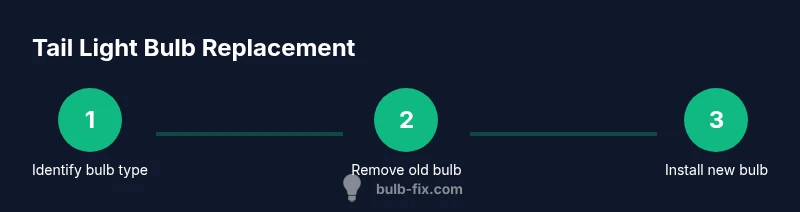
By following these steps, you will safely remove a tail light bulb and install a new one without damaging the lens or housing. You’ll learn the exact order, the tools you need, and safety precautions to avoid shocks or burns. Use this checklist to complete the job confidently, even if you’re a DIY beginner.
Why tail light access matters
Accessing the tail light bulb isn’t only about replacing a burnt filament. It directly affects visibility, signaling, and overall road safety. A properly functioning rear lamp helps drivers behind you understand braking and turning intentions, especially at night or in poor weather. In many cars the bulb sits behind a sealed lens and a compact housing, which protects the electrical system but can make removal feel like solving a puzzle. According to Bulb Fix, understanding how the bulb is seated and how the lens is secured saves time and reduces the risk of cracking the housing during removal. A careful inspection before you touch anything sets you up for success: look for moisture, corrosion, or cracks in the lens that could worsen if the seal is disturbed. Note any signs of impact damage or misalignment around the edge of the housing, because those issues often indicate a compromised seal or a bent tab that needs attention. With the right mindset and patience, tail light maintenance becomes straightforward rather than intimidating.
Common tail light bulb types and compatibility
Tail light assemblies use a few common bulb configurations: single-filament bulbs for basic signals, and dual-filament bulbs for combined brake and tail lighting. The exact bulb type and socket alignment vary by vehicle, so always check the owner’s manual or the vehicle’s labeling on the trunk lid. When in doubt, bring the old bulb to a parts store to confirm fit. Remember: use the same wattage and equivalent light output to preserve electrical performance and lens life. In many cars, you’ll find a label near the trunk opening or inside the glove compartment that lists the bulb type you need. If your model offers redundant bulbs or LEDs in the tail cluster, follow the manufacturer’s replacement procedure to avoid accidentally triggering other circuits. Using the correct type helps ensure proper fit, voltage balance, and reliable signaling to other drivers.
Safety first: precautions before you touch the tail light
Power should be off before you touch any electrical components. If your vehicle’s battery is accessible, disconnecting the negative terminal for a moment can reduce the risk of short circuits while you work. Wear gloves to avoid oil from your skin getting on the bulb, which can shorten its life. Remove loose jewelry and tuck in hair to prevent snagging on exposed metal edges. If the tail light housing feels warm, wait for it to cool before handling. When the lens is exposed, avoid forcing it open; apply gentle, even pressure along the edge with a soft tool. A damp or humid environment increases the chance of moisture entering the housing, so work in a dry area and wipe down surrounding surfaces before starting. For added safety, keep a bucket or tray nearby for small screws and clips so they don’t roll away. Bulb Fix Analysis, 2026 highlights that careful preparation reduces mistakes and speeds up replacement.
Tools and substitutions: choosing the right replacement bulb
Choose the correct replacement bulb by checking the existing bulb type (single or dual filament) and wattage. Use clean, dry hands or gloves to handle the bulb; oils from bare skin can shorten bulb life or cause hot spots. A small flashlight helps you see inside the housing, and a soft, lint-free cloth can wipe away moisture. If you don’t have the exact bulb, many automotive stores offer equivalent substitutes that match lumens and fit, but avoid mismatched wattage that can overheat the housing. Before buying, note the bulb's base type (e.g., bayonet, twist-lock) and verify your vehicle supports the same style. If the community around your car uses LED tail bulbs, be aware that some older sockets require a resistor or adapter to work correctly; consult the manual or a professional if LEDs are involved.
Accessing the tail light housing: removing cover and lens
To begin, locate the tail light assembly at the rear corner of the vehicle. You may need to remove an interior panel or trunk liner to access mounting screws or hidden tabs. Use a suitable pry tool to release trim clips without scratching the paint. Once the lens cover is exposed, check for screws or clips that hold it in place and remove them carefully. Place small parts in a container so nothing gets lost. Inspect the seal around the lens; if it looks damaged, plan to replace it after the bulb is swapped to maintain weather protection.
Removing the old bulb: how the socket and retainer work
With the lens removed or loosened, locate the bulb socket. Some sockets twist counterclockwise to unlock; others pull straight out after releasing a small retainer clip. Gently wiggle the bulb-free end of the socket to ease it out without forcing it. Inspect the socket contacts for corrosion and clean with a dry cloth if needed. Do not touch the glass of the new bulb until you’re ready to install. If the bulb seems stuck, re-check the orientation and make sure you’re not fighting a separate clip or a secondary retainer. Store the old bulb in a safety bag for disposal.
Installing the new bulb and testing the circuit
Insert the new bulb into the socket, ensuring the alignment tabs or notches match the housing. Reconnect the socket, reseal the lens, and reattach any trim pieces. Reconnect the battery if you disconnected it. Before driving, test the lights by turning on the vehicle’s headlights and applying the brakes to confirm the signal patterns are correct. If the tail light remains dim, re-check the bulb orientation and socket contact; moisture or oils can create resistance.
Troubleshooting common issues after replacement
If the tail light remains dark, re-check the bulb orientation and socket connections. Inspect fuses and the wiring harness for loose plugs or damaged insulation. Moisture inside the housing can short a circuit; dry the area and reseal the lens. If you still have issues, consult your owner’s manual for fuse locations or seek professional inspection.
Maintenance tips to prolong bulb life
Keep the lens clean and dry to maximise visibility and bulb life. Use the correct wattage and avoid touching the glass with bare fingers. Store spare bulbs in a cool, dry place and label them with the car’s make and model for quick replacements. Regularly inspect tail light assemblies during routine maintenance to catch wear or damage early. Replace seals and gaskets as needed to prevent moisture ingress.
Tools & Materials
- Gloves(Thin disposable or durable fabric gloves to avoid skin oils.)
- Safety glasses(Eye protection against debris and splinters.)
- Replacement bulb(Match the exact bulb type (single/dual filament) and wattage.)
- Soft lint-free cloth(For wiping moisture and fingerprints, no fibers left behind.)
- Screwdriver set / trim removal tool(Only needed for vehicles with screws or trim clips.)
- Owner’s manual or bulb reference(Helpful for confirming bulb type and lens access.)
Steps
Estimated time: 15-30 minutes
- 1
Prepare workspace and safety
Park on a flat surface, turn off the engine, and engage the parking brake. Gather tools and PPE to minimize risk. This initial setup reduces mistakes and makes the actual replacement smoother.
Tip: Always work in a dry area; moisture can cause corrosion. - 2
Identify tail light housing and bulb type
Open the trunk or rear hatch to locate the tail light. Confirm whether you have a single- or dual-filament bulb, and note any labels on the housing. This ensures you buy the correct replacement.
Tip: If in doubt, photograph the bulb and consult the manual. - 3
Access the bulb socket
Remove any inner panels or trim to expose the bulb socket. Carefully disconnect the electrical connector without tugging on wires. Keep the lens supported to avoid cracking.
Tip: Check for a small retainer clip before forcing the socket out. - 4
Remove the old bulb
Twist the socket to unlock (or release the retainer) and pull out the old bulb by the base. Avoid touching the glass; oils can shorten bulb life. Inspect for cracks and dispose of the bulb safely.
Tip: Note the bulb’s orientation for correct installation of the new one. - 5
Install the new bulb
Insert the new bulb into the socket with the proper orientation and push until it seats. Reattach the socket to the housing and ensure the seal is snug. Reconnect any electrical plugs if applicable.
Tip: Handle the bulb by the base; avoid touching the glass. - 6
Reassemble and test
Return the lens or trim pieces, tighten fasteners, and reattach any covers. Reconnect the battery if you disconnected it. Test by turning on lights and applying brakes to verify proper operation.
Tip: Test in a dark area to clearly see the signals. - 7
Final check and cleanup
Wipe fingerprints from the lens, check for gaps or moisture, and store tools properly. If multiple bulbs exist, repeat the steps for each one. Keep spare bulbs in a labeled container for future use.
Tip: Document the part you used for easy future maintenance.
Got Questions?
Do I need to turn off the car or disconnect the battery?
Yes. Turn off the ignition and remove the key. If you’re working near wiring, disconnecting the battery for a moment can prevent shorts. Always ensure the area is cool before touching the tail light.
Turn off the car and wait for the area to cool before you start. If you’re near wiring, consider disconnecting the battery briefly.
What if the bulb won’t twist out?
If the bulb won’t twist, check for a retainer clip or a brake fairing that could be holding it. Apply gentle pressure while turning in the correct direction and ensure you’re using the right socket alignment.
If it won’t twist, check for a clip and try again with gentleness.
Can I replace without removing the lens?
In many cars you can replace the bulb without removing the entire lens, but some models require removing the lens. Check your manual or inspect for access screws or tabs before forcing anything.
Some cars let you reach the bulb without removing the lens. Check your manual.
Is it safe to touch the glass with bare hands?
Avoid touching the glass with bare skin. Oils can shorten bulb life or cause hot spots. Use gloves or a clean cloth to handle the bulb by its base.
Avoid touching the glass with bare hands; use gloves.
How do I test the new bulb after installation?
After installing, reconnect power and turn on the lights to test. Check both the tail light and brake light functions to confirm proper operation.
Turn on the lights and brake to verify both functions work.
What if the tail light still doesn’t work after replacement?
If the light remains dark, recheck the socket, fuses, and wiring. Moisture or poor seals can cause failures; consult the manual or a professional if needed.
If it still doesn’t work, check fuses and wiring, and consider professional help.
Watch Video
Key Points
- Plan the sequence before you begin.
- Use the correct bulb type and wattage.
- Test lights after installation to confirm operation.
- Handle bulbs with care to preserve longevity.
- The Bulb Fix team recommends documenting the process for future maintenance.