How to Replace a Christmas Lights Bulb: Step-by-Step
Learn a practical, safety-first approach to how to replace a bulb on Christmas lights. This Bulb Fix guide covers tools, a clear step-by-step workflow, common pitfalls, and tips to keep your holiday display shining.


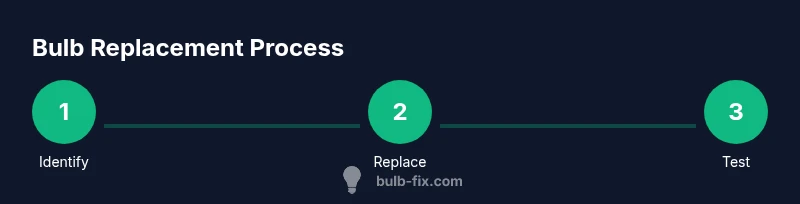
According to Bulb Fix, replacing a bulb on Christmas lights is straightforward if you unplug first, identify the correct bulb type, and handle sockets gently. Start by locating the burned-out lamp, remove it with a quarter-turn, and insert an identical replacement. Test the strand after reassembly, using a ladder and safety glasses as needed.
How to replace a bulb on Christmas Lights
In home holiday setups, knowing how to replace a bulb on Christmas lights saves time and preserves the display. This guide, informed by Bulb Fix, walks through safety basics and practical steps for common string formats. You’ll learn how to identify the correct bulb type, access the socket without damaging wires, and ensure a secure fit before testing the strand. By following a deliberate sequence, you avoid costly mistakes and keep your lights shining throughout the season.
Safety first: unplug, inspect, and plan
Before you touch any light string, unplug it from the outlet and place the cord on a dry, stable surface. Avoid standing on wet surfaces or climbing with a loose ladder. Inspect the area for damaged sockets, frayed wires, or cracked bulbs. Planning your approach helps you choose the right replacement bulb and reduces the risk of accidental damage. According to Bulb Fix, safety comes first because a small mistake can lead to electric shock or short circuits. Use gloves to minimize oil on the glass and wear safety glasses to protect your eyes when removing bulbs.
Identify bulb type and compatibility
Christmas light strings come in several bulb types, most commonly miniature incandescent and miniature LED bulbs. The replacement bulb must match the base type (typically E12 or similar mini-base designs) and the voltage used by the strand. If you’re unsure, check the product labeling on the plug or the manufacturer’s instructions. Mismatched bulbs can cause fuse trips, uneven lighting, or socket damage. Bulb Fix recommends keeping a small spare kit of the same type you’re using for quick replacements.
Accessing bulbs on common string formats
There are several common formats for Christmas light strings. Some bulbs twist out; others pull straight out from a socket. Certain strings have a built-in shroud or glass cover that unscrews, while others require removing a plastic cap or frame. Watch for fragile plastic housings and avoid forcing bulbs from tight sockets. If you’re dealing with a tight space near a doorway or treetop, consider using a long-handled tool with a soft tip to avoid applying excessive pressure.
Removing the burned-out bulb safely
Gently rotate the bulb counterclockwise or pull it straight out depending on the design. If resistance is felt, stop and re-check alignment, as forcing a bulb can damage the socket or wiring. Inspect the bulb for a broken filament, blackened glass, or cloudy coating—these are signs of failure. Keep the removed bulb in a small container to prevent rolling and avoid contact with metal terminals. If the base is corroded, do not reuse the socket; replace the bulb and consider a socket inspection.
Choosing and inserting the replacement bulb
Select a replacement bulb that matches the original type, base, and color temperature. Insert the bulb firmly but gently; avoid overtightening or forcing it into place. If the socket has a locking mechanism, ensure it engages fully to prevent a loose connection. After insertion, visually inspect the alignment and confirm that the glass is not cracked. If your strand uses a fuse in the plug, check that the fuse isn’t tripped after installing the new bulb.
Rechecking and testing the strand
Plug the string back into a power source and test the section you replaced first, rather than the entire length. If the bulb lights normally, move along the strand to confirm consistency across adjacent bulbs. If others fail to illuminate, recheck the neighboring sockets for debris, misalignment, or bent leads. For ongoing reliability, consider cleaning the string gently with a dry cloth before testing again and ensure you wear gloves to minimize oils on the glass.
Troubleshooting multiple burnt-out bulbs and non-working strings
If you’re dealing with several dead bulbs, inspect entire segments for poor connections or pinched wires. Loose connections can cause intermittent lighting; reseat sockets and reinsert bulbs as needed. In some cases, the issue isn’t the bulb but the plug, fuse, or inline controller. If a strand consistently fails after replacements, consider replacing the entire string or using a tested, season-friendly string with built-in fuses and safety features. Bulb Fix notes that consistency in bulb type is key to avoiding cascading failures.
Maintenance and storage tips for next season
After finishing a replacement, store spare bulbs in labeled, original packaging to keep sizes organized. Store strings in a cool, dry place to prevent brittle cord insulation and broken bulbs. Coil cords loosely to prevent kinks and tangles, and avoid wrapping around metal objects that can corrode. Before next year, visually inspect cords and sockets for wear and replace damaged segments rather than patching them. Proactive checks save time when you untangle the display again.
Safety and disposal considerations
Always unplug before handling, never mix different bulb types on a single string, and avoid touching bulbs with wet hands. If a bulb is broken, handle it with care and dispose of fragments in a rigid container. Some bulbs contain small amounts of lead or other materials; follow local regulations for disposal or recycling. By keeping to these safety practices, you reduce the risk of shock and environmental impact while preserving the beauty of your holiday lights.
Tools & Materials
- Replacement bulbs (same type and base as the string)(Match the bulb type (LED vs incandescent) and base size (e.g., mini-BA9 or E12).)
- Protective gloves(Keeps oils off bulbs and protects hands.)
- Safety glasses(Protect eyes in case of bulb breakage.)
- Non-metallic tweezers or bulb puller(Helpful for tight sockets without shorting metal parts.)
- Ladder or stable step stool(Ensure it is tall enough to reach the strand safely.)
- Bulb tester or multimeter (optional)(Use to verify bulb function if needed.)
- Labelled container for removed bulbs(Keeps removed bulbs organized and safe.)
Steps
Estimated time: 15-25 minutes
- 1
Unplug and prep the area
Unplug the strand and place it on a dry surface. Remove nearby ornaments and ensure the area is clear of water or moisture. Have a flashlight handy in case lighting is dim, especially for outdoor displays.
Tip: Check the plug fuse if the strand has a failsafe; a blown fuse can mimic a burnt-out bulb. - 2
Identify the faulty bulb
Visually inspect for a darkened or cloudy bulb, or test bulbs individually if you have a tester. If you can’t visually identify the failure, test bulbs one by one by momentarily reconnecting the strand to a power source.
Tip: Mark the suspected bulb with a small, non-permanent label to avoid retesting the same bulb repeatedly. - 3
Remove the defective bulb
Gently twist or pull the bulb out of its socket depending on the design. Do not apply excessive force—wires or the socket can be damaged. Keep the removed bulb in a safe container to avoid loss or breakage.
Tip: If resistance is present, re-check alignment before applying force. - 4
Select the correct replacement
Choose a bulb that matches the original type, base, and color. Mixing LED and incandescent bulbs on the same string can lead to uneven brightness and potential damage.
Tip: If unsure, check the packaging or the string’s label for exact bulb specifications. - 5
Insert the replacement firmly
Insert the new bulb straight into the socket, ensuring it sits evenly. If the bulb has a locking mechanism, rotate as needed until it’s secure. A loose fit can cause flickering or outages.
Tip: Avoid touching the glass with bare hands using gloves to prevent oils from shortening bulb life. - 6
Reassemble and inspect
If the string has a protective cover, snap it back into place. Visually inspect adjacent bulbs for any misalignment or damage that could cause future failures.
Tip: Lightly wiggle the bulb after insertion to confirm a solid connection. - 7
Test the strand
Plug the strand back in and test the replaced section first, then scan the entire length for consistent brightness. If problems persist, re-test adjacent sockets or consider replacing the entire strand.
Tip: Test in a controlled, safe environment before placing lights back on a tree or fixture. - 8
Troubleshoot multiple outages
If several bulbs are out, check for loose connections, damaged wires, or a blown fuse in the plug. Replacing one bulb may reveal broader issues in the circuit.
Tip: In outdoor setups, check weatherproofing seals around sockets for water ingress.
Got Questions?
Do I need to unplug the lights before touching the bulbs?
Yes. Always unplug the string before touching bulbs to avoid shock or short circuits. If outdoors, wait for the outlet to cool and ensure hands are dry.
Yes, unplug first to stay safe; never work on live lights.
How do I know what bulb type to buy for replacement?
Check the string label or packaging for the exact bulb type and base size. If unavailable, remove a working bulb and take it to a store or compare base size with the replacement options.
Check the label or compare the base; don’t guess.
What should I do if the plug fuse trips after a replacement?
Reset the plug fuse or replace the fuse if accessible. If the fuse trips repeatedly, there may be a faulty socket or a short elsewhere in the strand.
If the fuse trips, replace or reset it; check for circuit issues.
Can I mix LED and incandescent bulbs on the same strand?
It’s generally not recommended. Mixing types can cause uneven brightness, overheating in some cases, and uneven current flow.
Don’t mix LED with incandescent bulbs on the same string.
What if multiple bulbs are out and I can’t identify a culprit?
Check for loose sockets, damaged wiring, or a common section with a bad connection. Re-seat bulbs and inspect the cords for wear.
If many bulbs are out, inspect connections and wires.
Are there safety concerns when replacing bulbs outdoors?
Yes. Use weatherproof strings, wear non-slip footwear, and avoid wet conditions. Disconnect power when adjusting bulbs to prevent shocks.
Outdoor work is riskier—keep it dry and unplugged.
Watch Video
Key Points
- Unplug before any bulb work
- Match bulb type and base exactly
- Handle bulbs and sockets gently
- Test small sections after replacement
- Inspect for broader wiring issues