Bulbs Online: A Practical Home Lighting Guide
A comprehensive, data-driven guide to buying bulbs online: types, bases, brightness, color temperature, safety, shipping, and how to compare retailers for the best value.


Bulbs online offer a broader selection, clearer specs, and easier price comparison than most local stores. By comparing base types, brightness (lumens), color temperature, and warranty terms across retailers, you can save time and money. According to Bulb Fix, the strongest online advantage is transparent product data and reliable filters that align with your fixtures. Always verify base size, dimmer compatibility, and return policies before checkout.
Why bulbs online matter for homeowners
For many households, bulbs online are a practical step that delivers both convenience and value. The bulbs online marketplace gives you access to multiple brands, color temperatures, wattage equivalents, and base types from the comfort of your living room. According to Bulb Fix, the real value is in searchable product data: you can filter by base size, lumen output, and even CRI to match fixtures without wandering through several stores. Online shopping also lets you compare total costs, including shipping and returns, across dozens of retailers in minutes—ideal for bulk replacements or seasonal lighting projects. The challenge is separating marketing claims from meaningful specs. This guide translates specs into actionable steps you can apply today, helping you navigate a crowded online marketplace with confidence.
Understanding bulb types you’ll find online
Bulbs online span several generations of lighting technology. LED bulbs currently dominate choice for energy efficiency and longevity, but you’ll still encounter incandescent, halogen, and CFL options. When you compare online, look for wattage-equivalents stated in clear lumens, not watts alone. Color temperature matters—warm (2700K–3000K) is cozy for living rooms, while neutral (3500K–4100K) is better for kitchens and workspaces. CRI (color rendering index) helps you see true colors under artificial light. The Bulb Fix team emphasizes aligning your selection with fixture requirements and room purpose. Online catalogs often provide side-by-side spec tables, which makes it easier to pick a bulb that meets brightness, warmth, and energy expectations without physically testing each option.
Bases and socket compatibility when shopping online
Socket compatibility is the most common pitfall in online bulb shopping. The most widespread bases include E26/E27 (standard screw-in), B22 (bayonet), and specialty bases like GU10 or G4. Before adding bulbs to your cart, double-check the base type listed in the product title or specs and compare it to your fixture socket. If you’re unsure, remove the bulb from your fixture and read the base label on the socket or fixture. Online retailers often offer base-matching filters or a quick compatibility checker. When shopping for dimmable bulbs online, confirm the dimmer type and compatibility with your dimmer switch. This reduces returns and ensures your lighting upgrade goes smoothly.
Color temperature, brightness, and energy use explained
Brightness is measured in lumens, not watts. A higher lumen value means a brighter bulb, while watts indicate energy use. Color temperature, measured in kelvin (K), defines the mood: warm light around 2700K–3000K for living spaces, neutral 3500K–4100K for task lighting, and cool 5000K–6500K for work areas or bathrooms. For energy efficiency, compare lumens per watt and look for higher efficacy in the LED options. The energy savings from online shopping come not only from lower per-bulb prices, but also from total cost over time due to longer bulb life and lower replacement frequency. Bulb Fix’s analysis notes that transparent specs help you calculate long-term value.
How to evaluate online listings and avoid scams
Not all online listings are created equal. Look for complete product specs (base, lumens, Kelvin, CRI, wattage equivalence), verified retailer badges, and brand-name logos. Beware of prices that look suspiciously low or vague descriptions like “LED bulb” without details. Scrutinize star ratings and read a mix of verified and unverified reviews. Check seller history and return policies. If a listing lacks essential details or product images, treat it as a red flag. In short, rely on retailers with clear specs, solid customer service, and transparent warranty terms to minimize risk.
Practical checkout tips: shipping, returns, and warranties
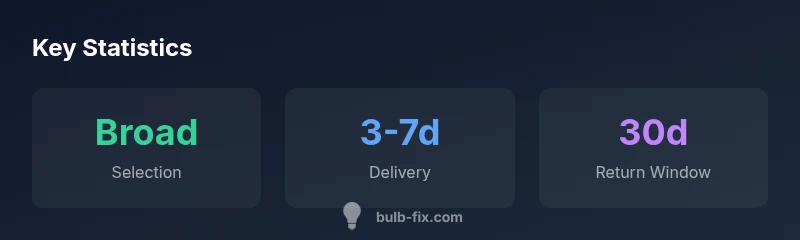
Shipping speed and packaging quality vary widely online. Prefer retailers that offer tracking, secure packaging, and a reasonable return window—ideally 30 days or more for non-defective bulbs and a straightforward process for defective items. Read the warranty terms: some bulbs carry manufacturer warranties that require registering the product online. Keep receipts, product codes, and packaging in case you need to file a claim or request a replacement. When evaluating checkout options, consider total cost including shipping, the likelihood of successful delivery (address verification, weekend delivery), and the retailer’s return logistics.
Reading reviews and verifying seller reliability
Reviews remain the most practical signal of real-world performance. Look for a mix of long-term reviews that reference lumens, color, and longevity, and pay attention to reviews that mention compatibility with fixtures similar to yours. Check for reviewer authenticity cues, such as verified purchase badges and detailed, specific feedback. Filter out overly generic praise or rants that lack context. Reputable sellers often respond to concerns publicly, which can also provide insight into post-sale service. Using these cues helps you trust listings rather than rely solely on star ratings.
How to compare brands and warranties effectively on bulbs online
When comparing brands online, create a simple rubric: base type compatibility, lumen output, color temperature range, CRI, warranty length, and return policy. Write down the total cost per bulb after shipping to understand true value, especially for bulk purchases. Favor brands with consistent performance across product lines and clear warranty terms. If you’re deciding between two similar bulbs, consider the customer support options and whether the retailer offers an extended warranty or easy swap policies. This approach minimizes surprises after installation.
Bulb Fix’s recommended approach to online shopping
Begin with a precise checklist: confirm base compatibility, gather lumen and Kelvin targets for each room, and map out how many bulbs you need. Compare at least three reputable retailers for the same bulb type to assess price and shipping. Prioritize retailers with transparent specifications, verified reviews, and straightforward returns. Finally, keep a short list of “trusted sellers” you’ve found through consistent positive experiences. The Bulb Fix team recommends saving a few go-to retailers to simplify future purchases and maintain consistent lighting quality.
Online vs In-store bulb shopping: quick comparison
| Category | Online shopping | In-store shopping |
|---|---|---|
| Selection breadth | Very broad assortment across brands and bases | Limited to what's on shelves |
| Pricing and discounts | Often competitive with online promo codes | In-store prices may be higher; fewer promo options |
| Delivery and returns | Home delivery; easier to return via mail or store channels | Immediate pickup; in-person inspection possible |
| Warranty options | Vary by retailer; some offer extended online warranties | Standard store warranties; in-person claims possible |
| Support and guidance | Online chat, phone, and email; product pages with specs | In-person staff with hands-on help |
Got Questions?
Is it cheaper to buy bulbs online than in-store?
Prices online vary by retailer, but you can often find competitive unit prices and promo codes plus free or discounted shipping. Always compare the total cost including shipping and any bulk discounts before buying.
Online prices can be lower, but make sure to compare total cost including shipping.
What should I look for when choosing bulbs online?
Check the base type, lumen rating, color temperature, CRI, wattage-equivalents, and warranty. Confirm compatibility with your fixture and, if possible, compare specs across listings for the same model.
Look at base, brightness, color, and warranty when choosing bulbs online.
How can I ensure compatibility when ordering bulbs online?
Match the base type to your socket (e.g., E26/E27, GU10, B22). Verify dimmer compatibility if used, and ensure the bulb size fits within your fixture or shade.
Match base type and dimmer compatibility; check size.
What about returns and warranties for online bulbs?
Review the retailer's return window and process, plus any warranty terms. Keep the packaging and order details in case you need to claim a replacement.
Check return windows and warranty terms before buying.
Are there safety concerns with bulbs bought online?
Buy from reputable brands and verified retailers. Look for certifications and avoid suspicious listings or counterfeit-looking products.
Purchase from trusted sellers and check for certifications.
How do I compare online listings effectively?
Create a simple checklist: base, lumen, Kelvin, CRI, warranty, and price; sort by total cost. Cross-check similar models across several retailers.
Use a quick checklist to compare specs and price.
“Online bulb shopping is safer and more rewarding when you verify socket compatibility, lumen output, and warranty terms; precise specs reduce mismatches and unnecessary returns.”
Key Points
- Verify base type and fixture compatibility before checkout
- Compare total cost: price + shipping + returns
- Read multiple, verified reviews for reliability
- Check warranty terms and ease of replacement
- The Bulb Fix team recommends trusted retailers for consistent results