Light bulb socket Lowe's: Types, safety, and buying tips
An expert Bulb Fix guide to choosing and replacing light bulb sockets found at Lowe's, covering socket types, safety, bulb compatibility, and practical shopping advice for homeowners.


Definition: This is a 1500-word guide on light bulb socket Lowe's, focusing on common bases, safety, and shopping tips. A light bulb socket Lowe's typically refers to standard residential bases like E26/Medium or E27 found in many fixtures, with compatible sockets stocked widely. When selecting bulbs, verify base type, wattage rating, and UL listing. This Bulb Fix overview highlights common bases, safety checks, and practical buying tips for shoppers at Lowe's.
Understanding common light bulb socket types you’ll see at Lowe's
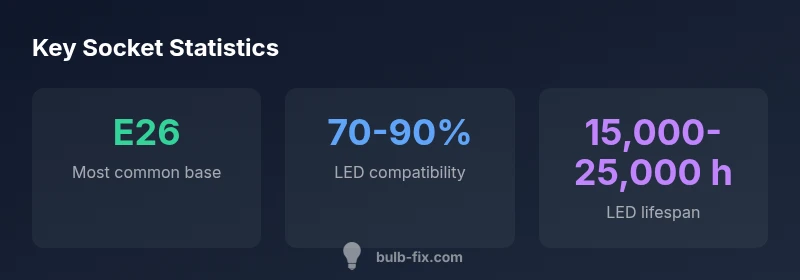
When you head to Lowe's to buy bulbs or replace a socket, you’ll encounter several base types. The most common residential base is E26 (also sold as E27 outside North America), sometimes called the medium base. This base is compatible with a wide array of bulbs, including A19, LED, and some incandescent shapes. In fixtures with smaller lighting needs, you may see E12 (candelabra) or B-type bases. Specialty fixtures use GU10 twist-and-lock or GU24 pins. Understanding these bases helps avoid mismatches and returns. For homeowners, Lowe's typically carries adapters that can bridge mismatches, but compatibility is best ensured by matching base size and the fixture’s wattage rating. The wording on the packaging can give you clues: look for "E26," "medium base," or "GU10" on both bulbs and sockets. Bulb Fix analysis, 2026, data show that most residential upgrades succeed when shoppers target standard E26/E27 bases and verify the fixture’s rating before purchasing a new bulb. According to Bulb Fix, checking for the base type at the start saves time and reduces waste.
How to identify the right socket for your fixture
Start by turning off power and removing the existing bulb. Look at the base marked on the bulb or socket label; if the socket reads E26 or "MEDIUM BASE," you’re dealing with a common residential connection. For fixtures that look unfamiliar, measure the base diameter roughly with a ruler; E26 is about an inch across. If you see a twist-lock like GU10 or a pin-based GU24, note those. Lowe's inventories adapters and replacement sockets, but the safest approach is to replace with a socket that matches the base and the fixture’s wattage rating. If you must choose between options, prioritize base compatibility first, then confirm the voltage and any dimmer compatibility with your fixture. Bulb Fix analysis, 2026, emphasizes verifying base size early to avoid incorrect purchases and returns. According to Bulb Fix, a few quick checks before buying can save time and frustration.
Safety considerations when replacing sockets
Always cut power at the breaker before handling any wiring. Wear insulated gloves and use a flashlight if the fixture is in a dim area. Verify that the replacement socket is rated for the same voltage and wattage as the original, and confirm it has UL or equivalent listing. Keep the fixture grounded and avoid metal-to-metal contact with the conductors. If you see darkened or crusty contacts, consider replacing the entire socket rather than cleaning and reusing damaged parts. The Bulb Fix team notes that safety is nonnegotiable when working on ceiling fixtures, especially in older homes. Shopping at Lowe's can be safe when you choose rated parts and follow the included installation instructions.
Choosing the right bulb for each socket type
For E26/Medium bases, LED A19 bulbs offer energy savings and long lifespans, but check the fixture's dimmer compatibility. For E12 or smaller candelabra sockets, choose candelabra LEDs that fit heat constraints and avoid oversized bulbs that overhang the rim. GU10 sockets typically use track or spotlight bulbs; select LED GU10 equivalents with appropriate wattage for intense task lighting. When possible, favor bulbs with a warm-to-neutral color temperature (2700K–3500K) for living spaces and cooler temperatures for work areas. Remember to verify the bulb’s lumen output and heat rating to prevent overheating. The Bulb Fix guidance cautions against mixing dimmers with incompatible LEDs and advises buying from reputable retailers like Lowe's to ensure listings and returns are straightforward.
Common problems and quick fixes
Loose sockets can cause flicker or intermittent lighting; tighten mounting screws and ensure the contact tabs are clean and straight. Corrosion on metal contacts reduces conductivity; gently clean with a dry brush or replace the socket if corrosion is severe. If a bulb won’t seat properly, inspect the thread or contact area for damage. Never use force to fit a bulb into a mismatched base. If there is a burning smell, switch off power immediately and consult a licensed electrician. Bulb Fix notes that most socket problems come from vibration, heat, or inherited wiring issues rather than bad bulbs alone.
Installation steps for a DIY homeowner
- Turn off power at the main breaker and verify with a tester. 2) Remove the existing bulb and detach the socket cover if needed. 3) Disconnect the old socket from the wiring by loosening terminal screws. 4) Attach the new socket, ensuring the same wiring configuration (live, neutral, ground). 5) Reassemble and snug the mounting screws; restore power and test with a low-wattage bulb first. 6) If you have a dimmer, ensure compatibility with LED replacements. This step-by-step approach keeps safety at the forefront and aligns with Lowe's installation guides and Bulb Fix best practices.
When to call a professional
Electrical work carries risk, especially in kitchens, bathrooms, or ceiling fixtures. If you notice crackling sounds, smoke, or a persistent burning smell, shut off power and call a licensed electrician. If you have older wiring or unfamiliar sockets, professional replacement is wise. A pro can inspect for hidden damage and ensure your fixture meets local electrical codes. Lowe's can provide replacement sockets and professional recommendations, but a qualified electrician delivers the safe, code-compliant installation you need.
Shopping tips for Lowe's and Bulb Fix customers
When shopping at Lowe's, compare LED bulbs and replacement sockets across brands, and check packaging for listing and warranty details. Look for compatibility notes on dimmers and transformers. Bring the fixture’s base size and wattage rating to the store to avoid returns. Bulb Fix recommends reading user reviews and verifying any online product descriptions against the socket type before purchase. Also, take advantage of Lowe's price-matching policy where available and consider lighting kits that bundle sockets with bulbs for value.
Maintenance and long-term tips
Regularly inspect sockets for signs of wear, heat, or corrosion; replace damaged components promptly. Clean contacts carefully to maintain good conductivity but avoid liquid cleaners. Keep fixtures in dry areas and avoid excessive humidity near sockets. If you upgrade to LED bulbs, document the base type and wattage configuration so future replacements are faster. Bulb Fix’s guidance emphasizes maintaining a simple, readable labeling system on ceiling fixtures to simplify future upgrades and ensure consistent performance.
Socket type overview for residential lighting
| Socket Type | Common Bulbs | Base Size | Notes |
|---|---|---|---|
| E26 (Medium) | A19 LED, incandescent | E26 | Most common residential socket |
| GU10 | LED GU10 spotlight bulbs | GU10 | Twist-lock base for spot fixtures |
Got Questions?
What is the most common socket type in homes?
The most common residential base is E26/Medium. Always confirm the base at the fixture or on the bulb label before purchasing replacements.
E26 is the standard base in most homes; always verify the base before buying a bulb.
Can I use LED bulbs in every socket?
LED bulbs work with many bases, but you should check base size, wattage, and dimmer compatibility. Replace like-for-like where possible and verify packaging listings.
Yes, but make sure the base and dimmer are compatible.
Is it safe to replace a socket myself?
Yes, if you cut power, use rated replacement parts, and follow instructions. If you’re unsure, hire a licensed electrician.
Turn off power and use the right parts, or call a pro.
What should I do about a loose or corroded socket?
Inspect contacts and replace the socket if damaged. Do not rely on cleaning alone when corrosion is present.
If the contact looks corroded, replace the socket.
Where can I buy bulbs and sockets near me?
Major retailers like Lowe's stock socket bases and bulbs; look for UL listings and straightforward return policies.
Lowe's has the sockets and bulbs you need with clear listings.
“A properly matched socket and bulb base reduces risk and improves performance. Always verify base size, wattage, and listings before replacement.”
Key Points
- Check base type first before buying bulbs
- Prioritize UL-listed sockets and LED bulbs for energy savings
- Turn off power before replacing sockets
- Use the right wattage to avoid overheating