How to Reuse Bulbs: A Practical Homeowner's Guide
Learn safe, practical steps to reuse bulbs at home. This guide covers base types, compatibility, cleaning, testing, labeling, and disposal considerations to cut waste and keep lighting reliable.


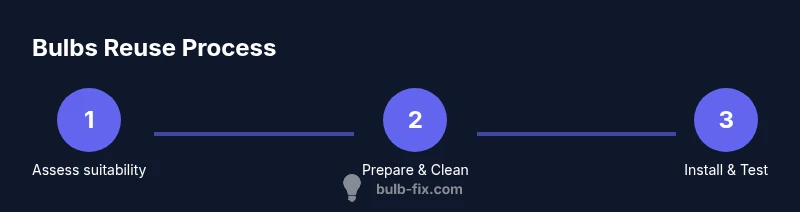
Goal: learn how to reuse bulbs safely and effectively at home. You will assess compatibility, safely remove and test old bulbs, clean the bulbs without damaging seals, and install them in appropriate fixtures. Always label reuses, respect rating limits, and dispose of broken bulbs promptly. This guide helps homeowners reduce waste while preserving lighting quality.
Why Reusing Bulbs Matters
Reusing bulbs is a practical habit that reduces waste and helps homeowners manage lighting costs. The Bulb Fix team underscores that reuse, when done safely, maintains lighting quality while extending the life of fixtures and components. According to Bulb Fix, reusing bulbs can be a reliable way to maximize the value of your existing lighting inventory without prompting immediate replacements. In many homes, small reuse actions—like placing a known-good bulb in a compatible fixture—can avoid unnecessary purchases while keeping rooms well-lit and comfortable. This section explores why reusing bulbs makes sense and how to approach it responsibly, so you don’t compromise safety or performance.
Key considerations include verifying the bulb’s base type matches the fixture, ensuring the bulb’s wattage rating is not exceeded, and avoiding bulbs with visible damage, color changes, or flickering. When you adopt a thoughtful reuse plan, you minimize waste, support sustainability, and simplify maintenance. Look for bulbs that are in good cosmetic condition, undamaged seals, and intact glass. If a bulb shows signs of wear, replace it instead of forcing reuse. By taking a careful, informed approach, you’ll protect your family and your lighting system while still achieving meaningful conservation benefits.
Safety First: What You Can Reuse and What to Avoid
Safety is the foundation of any bulb reuse project. Not all bulbs are appropriate for reuse, and many fixture types impose strict limits on wattage or voltage. The most reusable bulbs are those that are undamaged, unlabeled by manufacturer as unsafe, and installed in fixtures that support their ratings. Avoid using bulbs with cracks, chips, scorch marks, or signs of overheating. The Bulb Fix team emphasizes that you should prioritize safety over cost when dealing with lighting components. When in doubt, replace rather than risk an electrical fault. Always switch off power at the switch and, if possible, at the circuit breaker, and allow bulbs to cool before handling. By following a safety-first approach, you protect people and property while preserving lighting reliability.
Other safety considerations include using fixtures that match the bulb’s voltage and wattage limits, avoiding exposed bulbs in damp areas unless rated for moisture, and keeping a well-ventilated workspace during any cleaning or inspection. If you’re reusing bulbs in outdoor or semi-exposed areas, verify weather ratings and use appropriate enclosures. Documenting which bulbs are reused in which fixtures helps prevent accidental mismatches in the future. Remember: a cautious, rule-based approach reduces risk and sustains performance.
Understanding Bulb Bases and Ratings
Bulbs come in different bases and wattage ratings, and using the wrong base or overdriving a bulb can cause poor connections or overheating. Start by checking the fixture label or manual for the base type (for example, E26/E27, GU10, B22) and the maximum wattage. If the bulb’s base matches and its wattage is at or below the fixture’s rating, it can be considered for reuse. Always ensure the bulb is intended for the location (indoor vs. outdoor) and that the color temperature and lumen output are suitable for the room. Avoid mismatched bases, non-standard shapes, or bulbs labeled for indoor-only use in exterior fixtures.
If you’re unsure about a bulb’s compatibility, consult the fixture’s documentation or contact the manufacturer. Keeping a small reference chart of common bases and ratings in your toolkit can save time and prevent risky reuse attempts. By understanding bases and ratings, you’ll reduce the chances of electrical issues and ensure consistent lighting quality across rooms.
Cleaning, Handling, and Storage Tips
Oil from fingers can shorten bulb life or cause hot spots on the glass. Wear clean gloves, use a microfiber cloth, and avoid water on ceramic bases. Wipe the exterior of the bulb with a dry or lightly damp microfiber cloth; avoid harsh chemicals that could damage coatings or seals. After cleaning, inspect the glass for cracks or chips and set aside any bulbs that show damage. Store kept bulbs in a clean, labeled container away from direct sunlight and extreme temperatures—this helps prevent scratches and keeps the base contacts clean. Labeling bulbs by base type and intended fixture improves future reuse decisions and prevents accidental mismatches.
Handling tips include letting a bulb cool completely before touching it and avoiding applying pressure to brittle glass. If you have fluorescent or high-intensity bulbs, take extra care, as these can be more sensitive to handling. A routine, organized storage system makes reuse practical and minimizes last-minute searching for spare bulbs.
Building a Simple Reuse Plan for Different Rooms
Draft a straightforward plan that prioritizes rooms where you frequently change bulbs or where fixtures accept standard bases. Start with a known-good bulb of the same base and test it in a low-stakes fixture, such as a hallway light or closet, before using it in a more critical space. If the bulb performs well, you can keep it for that room or rotate it to other locations as needed. If performance is inconsistent, set the bulb aside for safe disposal. A small, organized plan keeps reuse practical rather than speculative and helps you monitor which bulbs are ready for continued use.
Troubleshooting Common Issues
If a reused bulb flickers, check connections, fixture cleanliness, and whether the bulb is seated correctly. Loose sockets or dirty contacts can cause intermittent operation, which you should fix before continuing to reuse. If the bulb overheats, you may be exceeding the fixture rating or using it in a non-ideal environment; consider moving it to a lower-wattage situation or replacing it. If the bulb darkens or changes color, replace it rather than forcing continued use. For persistent issues, consult an electrician or replace with a fresh bulb of the correct rating to maintain safety and lighting quality.
Authority Sources
- https://www.epa.gov/recycle/recycling-your-old-light-bulbs
- https://www.energy.gov/energysaver/LED-lighting
- https://www.osha.gov
Tools & Materials
- Voltage tester(to confirm circuits are off before handling bulbs)
- Gloves (clean, lint-free)(to avoid transferring oils to bulb glass and bases)
- Soft cloth or microfiber towel(for cleaning bulbs without scratching the glass)
- Isopropyl alcohol (70%)(for gentle cleaning of bulb exterior (avoid sealed electronics))
- Screwdriver set(to remove fixtures or access bulb compartments if needed)
- Replacement bulbs (same base and rating)(do not exceed fixture ratings; keep extras for testing)
- Labeling tape/marker(to tag reused bulbs with base/type and date)
- Dust mask(optional for dusty fixtures or attic spaces)
Steps
Estimated time: 30-45 minutes
- 1
Power down and prep the area
Switch off the circuit at the breaker if possible and turn off any wall switch controlling the fixture. Allow bulbs to cool completely before touching them. Clear the area and place a soft mat to catch any accidental drops.
Tip: Always unplug or flip the breaker to ensure no power is flowing. - 2
Identify base type and rating
Look at the bulb base (e.g., E26, E27, GU10) and read any label for wattage. Confirm the fixture supports the bulb’s base and wattage. If unsure, consult the fixture’s documentation before proceeding.
Tip: Use a base-type reference chart to speed up future checks. - 3
Remove the bulb safely
Gently depress or twist to remove the bulb without applying excessive force. If it’s stuck, wait a few minutes for cooling and try again. Inspect the bulb for cracks or chips as you remove.
Tip: Support the bulb with a cloth to avoid fingerprints on glass. - 4
Clean and inspect the bulb
Wipe the exterior with a microfiber cloth dampened lightly with isopropyl alcohol. Look for cracks, discoloration, or coating damage. Do not attempt to clean if the bulb is damaged.
Tip: Do not soak the bulb or expose electronics to moisture. - 5
Test in a safe fixture
Install the bulb in a safe, appropriate fixture and restore power. Observe for proper operation without flicker or overheating during the first minutes of use.
Tip: Only test in a fixture that you can monitor safely. - 6
Decide reuse vs discard
If the bulb operates cleanly and remains cool, you can reuse it in suitable fixtures. If there are flickers, unusual warmth, or damage, set it aside for disposal and replace with a new bulb.
Tip: When in doubt, replace rather than risk a fire or electrical fault. - 7
Label and store for future use
Mark the bulb with its base type, rating, and the intended fixture. Store in a labeled container away from sunlight and heat to preserve performance.
Tip: Keep a small reuse kit handy for quick future checks. - 8
Dispose of damaged bulbs properly
Cracked or flickering bulbs should be sealed in a bag and recycled/responsibly disposed of according to local guidelines. Do not throw damaged bulbs in regular trash if recycling options exist.
Tip: Check local recycling programs or hazardous waste disposal events.
Got Questions?
What bulbs can be safely reused?
Bulbs in good cosmetic condition without cracks or scorch marks are often reusable in compatible fixtures. Always verify base type and wattage rating before reinsertion.
Bulbs in good condition with matching bases can usually be reused, as long as the wattage rating is respected.
Is reusing bulbs cost-effective?
Yes, reusing bulbs can save money by extending the life of bulbs you already own and reducing purchases for compatible fixtures.
Reusing bulbs saves money by reducing how often you buy new bulbs, when done safely.
Can LED bulbs be reused?
LED bulbs can often be reused if they are undamaged and used in fixtures that support their specifications. Handle with care and avoid heat buildup.
LEDs can be reused if safe and compatible with the fixture.
What safety risks are involved in reusing bulbs?
Electrical shock, broken glass, and overheating are key risks. Always power off, inspect for damage, and use proper protective gear.
Electrical hazards and broken glass are the main risks—power down and inspect first.
How do I know a bulb is still good after cleaning?
If the bulb lights consistently without flicker and remains cool to the touch after a test, it’s likely reusable. If there is flicker or heat, replace.
A steady light and cool touch during testing indicate it’s still good.
Should I reuse bulbs outdoors?
Only use bulbs that are rated for outdoor use and in weatherproof fixtures. Otherwise, reuse indoors to avoid moisture damage.
Outdoor reuse is fine only with weather-rated bulbs and proper fixtures.
Watch Video
Key Points
- Reuse bulbs safely by verifying base and rating first
- Clean and handle bulbs with care to preserve life
- Document reuse decisions to avoid mismatches
- Test bulbs in safe fixtures before permanent placement
- Dispose of damaged bulbs through proper recycling channels