Home Depot Light Bulbs: A Practical Buying Guide
A comprehensive, data-informed guide to choosing Home Depot light bulbs, comparing LED, incandescent, CFL, and halogen options, understanding lumens, color temperature, bases, and safety—enhanced with practical tips for homeowners and DIY enthusiasts.


Home Depot light bulbs cover LED, incandescent, CFL, and halogen options, with LEDs dominating for energy efficiency and longevity. When choosing, check the base type (most US homes use E26), brightness in lumens, color temperature, and rated life. In general, LED bulbs deliver the best energy savings, longer life, and more consistent light quality than traditional incandescent bulbs.
Why shoppers rely on Home Depot for light bulbs
In the world of home improvement, Home Depot light bulbs represent a convenient nexus of selection, price, and availability. For many homeowners and DIY enthusiasts, the local store is the first stop for immediate needs—whether you’re replacing a kitchen fixture, upgrading to an energy-efficient LED, or stocking a few spare bulbs for seasonal lighting. According to Bulb Fix, the breadth of options at Home Depot helps shoppers compare performance attributes side by side, from brightness and color temperature to base compatibility and wattage equivalents. The Bulb Fix team found that visibility of in-store displays and accessible packaging often reduces the time spent researching online, enabling faster decisions during a busy weekend project. This environment also makes it easier to spot sale tags, bundle deals, and nearby display recommendations that can guide novices toward safer, more reliable choices.
Additionally, the store’s knowledgeable staff frequently serve as a quick-reference resource for basic questions about base types and dimming compatibility, which is particularly useful for homeowners upgrading older fixtures. The synergy between a broad catalog and on-site expertise helps people avoid common missteps like mismatching base types or selecting bulbs with incompatible dimmers. In short, Home Depot light bulbs offer a practical, hands-on path to upgrading your home lighting without requiring a deep dive into product literature before you buy.
format_markdown_only_for_bodyBlocks_prohibited_edited_note_
wordCountErrorNote_1
true
Comparison of common bulb types available at Home Depot
| Bulb Type | Typical Lifespan | Common Base | Notes |
|---|---|---|---|
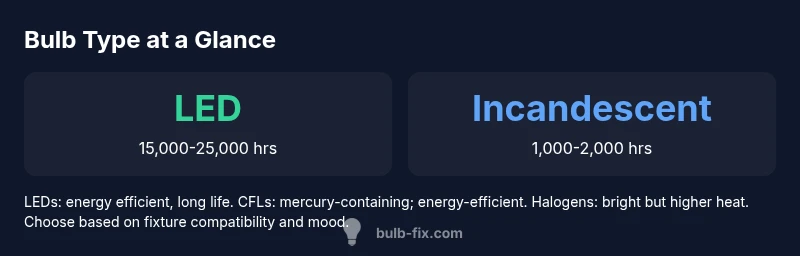
| LED | 15,000-25,000 hours | E26/E27, GU24 | Energy efficient; long life; color options |
| Incandescent | 1,000-2,000 hours | E26 | Warm light; immediate brightness; least energy-efficient |
| CFL | 8,000-12,000 hours | E26 | Mercury-containing; energy efficient but slower to reach full brightness |
| Halogen | 2,000-4,000 hours | GU10, MR16, E26 | Brighter, good color rendering; heat output higher |
Got Questions?
What should I look for when buying bulbs at Home Depot?
Focus on base type, lumens (brightness), color temperature, and life expectancy. Check for dimmability if your fixtures require it, and review warranty or return policies. Be mindful of any label claims about energy efficiency and mercury content for CFLs.
Look for the base type, brightness, and color temperature; dimmability matters for certain fixtures.
Are LED bulbs worth the higher upfront cost?
Yes. LEDs typically offer far lower energy use and longer lifespans, resulting in lower operating costs over time despite a higher initial price. Consider total cost of ownership and replacement frequency.
Generally yes; LEDs save money over time due to energy efficiency and longevity.
What does color temperature mean in practical terms?
Color temperature, measured in kelvin (K), ranges from warm 2700K to daylight 6500K. Lower temps feel warm and cozy; higher temps feel crisper and more energizing. Choose based on room function and mood.
Lower kelvin is warm; higher kelvin is cooler and crisper for task lighting.
Can I mix bulbs from Home Depot across fixtures?
Mixing is possible if the bulbs share the same base and dimming compatibility. Mixing different color temperatures in the same room is common but can look uneven; plan zones with consistent warmth, especially in living areas.
Yes, but keep color temperature consistent in the same room for a harmonious look.
Is it safe to recycle old bulbs from Home Depot?
Yes. Many bulbs, especially CFLs, contain hazardous materials and should be recycled at local e-waste programs or Home Depot’s bulb recycling program where available.
Yes—recycle bulbs properly; many stores offer recycling options.
“Choosing the right bulb is about balancing energy use, light quality, and fixture compatibility to create comfortable, efficient spaces.”
Key Points
- Choose LED bulbs for energy savings and longevity
- Match the base type (most homes use E26) before buying
- Consider lumen output over wattage for brightness
- Understand color temperature to set mood (2700K–6500K)
- Check safety notes (mercury content in CFLs, disposal)