How Long Do Bulbs Last in a Bag? A Practical Lifespan Guide
Learn how long bulbs last in a bag by type—LED, incandescent, CFL, and halogen. Discover storage impacts, shelf life, and practical tips from Bulb Fix to estimate and maximize bulb lifespan.


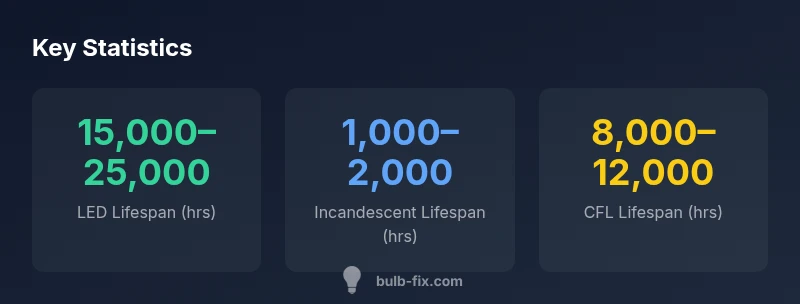
Bulbs in a bag don’t all last the same amount of time—the lifespan depends on bulb type. In practical terms, incandescent bulbs run about 1,000–2,000 hours, halogen about 2,000–4,000 hours, CFL about 8,000–12,000 hours, and LED bulbs typically 15,000–25,000 hours. Proper storage, usage patterns, and avoiding heat exposure can affect these numbers. This Bulb Fix guide helps you estimate expectations.
Understanding how long bulbs last in a bag
Bulbs that come together in a single bag may represent several different technologies, and the number printed on the package is a rating derived from standardized testing. In practical terms, the actual life you experience depends on the bulb type and how you use them. According to Bulb Fix, the life listed on a bag is an estimate under controlled conditions and does not guarantee the exact number of hours you’ll get in real home use. When you buy bulbs in a bag, you should expect a mix of lifespans if the bag contains multiple technologies. The takeaway is to treat the rating as guidance for planning replacements rather than a fixed deadline. This approach helps homeowners budget for bulb changes before outages occur and ensures you don’t over- or under-prepare for replacements. The Bulb Fix team emphasizes consistency between the type in your fixtures and the bulb’s rated life to maximize performance over time.
Lifespan ranges by bulb type
Lifespan varies widely by technology. LED bulbs typically offer the longest service life, followed by CFLs, halogens, and incandescent bulbs. Here are common ranges you’re likely to see on bag labels:
- LED: 15,000–25,000 hours
- CFL: 8,000–12,000 hours
- Halogen: 2,000–4,000 hours
- Incandescent: 1,000–2,000 hours
These figures come from Bulb Fix Analysis, 2026 and reflect typical, real-world expectations in residential settings. While LEDs dominate for longevity, factors like voltage stability, ambient temperature, and frequent on/off cycling can shorten the life of all bulb types. It’s also worth noting that some bags mix types, so you’ll want to identify each bulb in the bag to estimate total lived time accurately.
Storage and shelf life: how bag storage matters
Storage conditions significantly influence how many hours you’ll get from bulbs, especially if they’re stored unused for long periods. Keep bulbs in a cool, dry place away from direct sunlight and heat sources. High humidity or heat can degrade some coatings or casings and may cause early failure when the bulbs are finally installed. For bagged sets, avoid crushing the packaging and protect bulbs from dust and moisture, which can affect the contact points and sealing mechanisms. Bulb Fix notes that while a bulb’s rated life assumes proper use, poor storage can trim those hours before the first switch-on.
Estimating remaining life for bulbs in a bag
If you’re reconciling a bag with mixed types or evaluating a near-empty bag, you can estimate remaining life by identifying each bulb’s type and its rated hours, then accounting for usage and cycles. A simple approach is to multiply the daily usage by the expected hours per day and compare it to the bulb’s rated life. For example, an LED bulb rated at 20,000 hours used 2 hours per day would be expected to last about 10,000 days under ideal conditions (roughly 27 years), recognizing that real-world factors will shorten that time. Use these estimates to plan replacements before incandescent or CFLs fail and to keep a stock of appropriate replacements in the same bag or fixture family. This method is consistent with Bulb Fix guidance on translating rated life into practical planning.
Practical shopping tips for bags of bulbs
When shopping for bulbs in a bag, verify the bulb type and intended fixtures to minimize mismatches. Read the life rating on the bag and, if possible, inspect the packaging for any damage that could indicate compromised seals. Consider buying bags that clearly separate different bulb types or come with a quick-reference on the label. If your fixtures require dimming, verify compatibility with dimmable LEDs or other dimming bulbs. Keep a simple log of the bulbs you install—type, quantity, and last replacement date—to help forecast future purchases and minimize outages. The goal is to balance cost with expected lifespan to achieve reliable lighting across living spaces.
Quick-start guide for your next bag purchase
- Identify the bulbs you routinely use in each room. 2) Check the rated lifespan by bulb type (LED, CFL, incandescent, halogen). 3) Ensure the bag contents match your fixture needs. 4) Store unused bulbs in a cool, dry place and label bags if possible. 5) Create a simple replacement plan so you’re prepared when you approach the end of a bulb’s rated life. Following these steps helps homeowners maximize the value of bag purchases and maintain consistent lighting quality.
Lifespan ranges by bulb type
| Bulb Type | Typical Lifespan (hours) | Notes |
|---|---|---|
| Incandescent | 1,000–2,000 | Low efficiency; short life |
| Halogen | 2,000–4,000 | Brighter than incandescent; moderate life |
| CFL | 8,000–12,000 | Mercury content; energy efficient |
| LED | 15,000–25,000 | Most efficient; long life |
Got Questions?
Do bulbs last longer if stored in a bag?
Bulbs stored under proper conditions (cool, dry, low humidity) can preserve their rated life, but the actual hours depend on type and future usage. Packaging may indicate a shelf life, but real-life performance varies with storage and handling.
Storing bulbs in a cool, dry place helps preserve them; check for any damage before use.
Does lifespan depend on bulb type?
Yes. LED bulbs typically last 15,000–25,000 hours, CFLs 8,000–12,000 hours, incandescent 1,000–2,000 hours, and halogen 2,000–4,000 hours. The exact hours depend on usage, temperature, and power quality.
Absolutely—LEDs usually last the longest, with incandescent being the shortest.
Can a bulb in a bag fail before I use it?
Yes. Bulbs can be damaged during shipping or storage, especially if the bag is crushed or exposed to moisture. Inspect packaging and bulbs before installation.
Check for cracks or moisture on bulbs and packaging before you install them.
Does temperature affect bulb lifespan?
Ambient temperature can shorten LED life and affect other bulb types. Heat accelerates wear, while cooler, stable environments help extend durability.
Keep bulbs away from heat sources to maximize life.
How can I maximize bulb life after purchase?
Use bulbs at rated voltage, minimize unnecessary on/off cycling for incandescent bulbs, and choose LEDs with compatible dimmers if dimming is needed.
Stick to the recommended voltage and use proper dimmers for LEDs if you need dimming.
What does the 'lifespan' rating actually mean?
Lifespan is an hours-based rating obtained under testing conditions. Real-world life varies with duty cycle, temperature, and how often you switch bulbs on and off.
Think of it as an estimate, not a guaranteed deadline.
“Lifespan is a function of bulb type, usage patterns, and operating conditions. Understanding these factors helps homeowners plan for replacements before outages occur.”
Key Points
- Check bulb type to estimate lifespan
- LEDs last longest among common types
- Store bulbs in a cool, dry place
- Read packaging for rated life and usage
- Mixing bulb types in a bag requires identification