LED Bulb to Replace Fluorescent: A Practical How-To Guide
Learn how to replace fluorescent lighting with LED bulbs safely and efficiently. This step-by-step guide covers ballast compatibility, wiring options, and tips for a lasting LED retrofit.


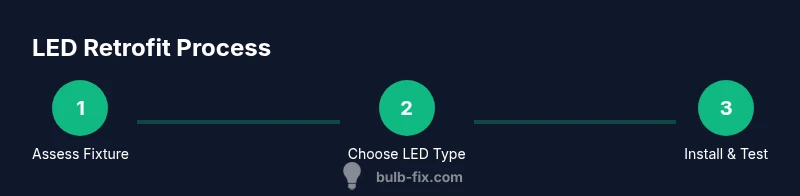
To replace fluorescent lighting with LEDs, first identify your fixture type (tubular or compact). Choose LED tubes compatible with your ballast (Type A/B/C) or convert to a ballast-bypass configuration. Check tube size (T8/T12), base (G13), length, lumens, and color temperature. Always shut off power and follow safety instructions; consult an electrician if uncertain.
Why switch from fluorescent to LED?
If you’re looking for brighter, more efficient lighting, switching from fluorescent tubes to LED bulbs is a smart first step. The transition reduces energy use, lowers maintenance, and improves light quality in most residential spaces. According to Bulb Fix, upgrading from fluorescent to LED lighting can reduce energy use and maintenance, making fixtures more reliable for homeowners. LED light sources run cooler, flicker less, and are more compatible with modern dimming and smart-home systems. When planning an LED retrofit, you’ll run into two main paths: Type A, which is ballast-compatible, and ballast-bypass configurations that feed LEDs directly from line voltage. Understanding these differences helps you choose a solution that respects your fixture, budget, and local code requirements. This article guides homeowners through safe, practical steps to replace fluorescent lighting with LEDs while preserving lighting quality and reliability.
LED Tube Types and Compatibility
LED tubes come in several compatibility options that determine how you wire them into an existing fixture. Type A tubes work with some ballast systems, letting you keep ballast hardware in place. Type B tubes are ballast-bypass, meaning you wire directly to line voltage and remove the ballast from the circuit. Type C configurations rely on an external driver or kit for power conversion. Bulb Fix analysis shows LEDs generally offer longer lifespans and lower operating costs than fluorescent systems. Your choice depends on fixture age, local electrical codes, and whether you want a quick swap or a long-term, maintenance-free retrofit. For most homeowners, Type A is easiest if the ballast is known to be compatible; otherwise you’ll likely bypass the ballast for a cleaner, more reliable setup.
Assessing Your Fixture and Ballast
Begin by turning off power at the breaker and removing the fixture cover to inspect labeling. Look for ballast information on a sticker or plate, noting the wattage range and part number. If you can’t locate a ballast label, assume you’ll need ballast bypass and plan accordingly. Photograph wiring before you touch anything so you have a reference if you need to revert. If the fixture is old or has a nonstandard base, you may need adapters or a direct-wire LED kit. Safety first: use a non-contact voltage tester to confirm there is no live current before handling any wiring.
Matching LED Tubes to Your Fixture
Next, match the LED tube to your fixture type. Most residential fixtures use standard T8 or T12 tubes and G13 tombstone bases. Verify the LED tube length matches the existing fixture (4 feet or 2 feet are common). Check the color temperature (warm, neutral, or cool white) and ensure the lumen output suits the room. If you’re using Type A tubes, confirm ballast compatibility with the manufacturer’s list. For bypass, plan for end-cap compatibility and space for any wiring changes. Keeping a simple checklist helps prevent ordering mistakes.
Ballast bypass vs ballast-compatible: Pros and Cons
Ballast-compatible tubes are the easiest path if your ballast is on the approved compatibility list, allowing a near-seamless swap. Ballast bypass can offer longer-term reliability and reduced maintenance, but it requires more wiring work and compliance with local electrical codes. In older or irregular fixtures, bypass often ends up being the cleaner solution. Consider your comfort level with electrical work, the age of the fixture, and warranty terms from the LED supplier. Bulb Fix recommends evaluating both options in the context of your home’s electrical plan and local regulations.
Safety considerations and common pitfalls
Electrical work carries risk, especially when wiring fixtures that feed high-intensity light. Always turn off power at the breaker before any disassembly, wear protective gear, and keep a clear workspace. Avoid mixing ballast types or mismatching tube sizes; mismatches can cause glare, flicker, or reduced life. If you are unsure about wiring or local code requirements, hire a licensed electrician. Mercury-containing fluorescent tubes require careful disposal and clean-up if broken, while LEDs pose fewer hazards but must still be handled properly.
Quick Retrofit Checklist
Use this quick list to ensure you’ve covered all bases before firing up the new LEDs:
- Verify fixture type and ballast compatibility or bypass plan
- Purchase LED tubes with matching size (T8/T12) and base (G13)
- Gather safety gear and tools (tester, gloves, glasses, ladder)
- Plan for proper disposal of old tubes and ballast
- Test lights in a dry, well-ventilated area after installation
Tools & Materials
- LED replacement tubes (Type A/B/C as needed)(Ensure correct size (T8/T12) and base (G13))
- Ballast bypass kit or direct-wire kit(Needed for Type B bypass conversions)
- Non-contact voltage tester(Test for live circuits before touching wiring)
- Screwdriver set (Phillips & flat)(Verify end-caps and housing compatibility)
- Gloves and safety glasses(Protect hands and eyes during replacement)
- Ladder or stable step stool(Access ceiling fixtures safely)
- Wire nuts and electrical tape(Secure bypass connections)
- Tape measure(Confirm fixture length and tube size)
Steps
Estimated time: 60-90 minutes
- 1
Power off and remove fluorescents
Turn off the circuit at the breaker and verify there is no voltage with a tester. Carefully remove fluorescent tubes by supporting both ends to avoid breakage. Set tubes aside in a safe place for disposal.
Tip: Ask a helper to support long tubes during removal to prevent dropping them. - 2
Identify ballast and fixture type
Check the ballast label or fixture documentation to determine if you have a Type A ballast, a Type B bypass, or a Type C driver. If there’s no label, plan for bypass as a conservative approach and document your wiring.
Tip: If you’re unsure, assume bypass and proceed with caution. - 3
Decide ballast path
Choose Type A LED tubes that match your ballast if compatibility is listed, or plan to bypass the ballast for a direct-wire setup. Consider fixture age, warranty, and ease of future maintenance.
Tip: Bypass often simplifies future upgrades but requires wiring changes. - 4
Install LED tubes (ballast-compatible)
For Type A LEDs, align the tube ends with the existing tombstones and insert firmly. Ensure the ballast remains in the circuit and do a visual check for proper seating.
Tip: Insert evenly; don’t force the ends, which can damage the tombstones. - 5
Ballast bypass wiring (if chosen)
Remove ballast wiring per kit instructions. Rewire tombstones to feed line voltage directly to the LED tube pins. Secure connections with wire nuts and electrical tape, then double-check for any exposed conductors.
Tip: Follow the bypass kit’s instructions exactly to avoid arcing. - 6
Test and finalize
Restore power and test each lamp for even brightness and color. Reinstall fixtures and dispose of old ballast and tubes according to local regulations and recycling guidelines.
Tip: Keep a spare LED tube on hand for quick replacements.
Got Questions?
Can I replace fluorescent tubes with LED tubes without rewiring or changing the ballast?
A subset of LED tubes, called Type A, can work with some existing ballasts. If your ballast is incompatible, you may need a ballast bypass or a replacement ballast. Always verify compatibility before purchasing tubes.
Some LED tubes will work with your existing ballast, but you should verify compatibility first or plan for a ballast bypass.
What is ballast bypass and is it safe to do?
Ballast bypass rewires the fixture to feed LEDs directly from line voltage, removing the ballast from the circuit. It can improve reliability, but requires careful wiring and adherence to code. If unsure, hire a licensed electrician.
Ballast bypass means wiring LED tubes directly to power, removing the ballast. It’s safer with proper wiring.
Will LED tubes fit my fixtures?
Most LED tubes are designed to fit standard T8 or T12 fixtures with G13 tombstone bases, but some fixtures require additional adapters or rewiring. Always check size, base, and ballast compatibility before buying.
Most LED tubes fit standard fixtures, but check size and ballast compatibility.
Are LED tubes dimmable?
Dimmability depends on the driver inside the LED tube and the dimming system. If you want dimming, confirm that the tube and ballast/dimmer are compatible.
LED tubes can be dimmable, but only with compatible drivers and dimmers.
What about color temperature and brightness?
LED tubes offer a range of color temperatures and brightness levels. Choose a warm to cool white depending on room use and feel. Compare lumen output and ensure it meets your lighting needs.
Choose color and brightness to suit the room, and check lumen output.
Is there any hazard in breaking a fluorescent tube?
Fluorescent tubes contain mercury; if broken, follow proper cleanup procedures and ventilate the area. LEDs don’t contain mercury, making cleanup easier. Handle with care during disposal.
Mercury risk exists with broken fluorescents; ventilate and clean safely.
Watch Video
Key Points
- Choose LED tubes compatible with ballast or bypass as needed
- Match tube size (T8/T12) and base (G13) to fixture
- Turn off power and follow safety guidance
- Ballast bypass offers long-term savings but requires wiring
- Dispose of old components responsibly