Why LED Bulbs Are Better: A Clear Comparison Guide
Discover why LED bulbs are better than traditional options: energy efficiency, lifespan, cost over time, light quality, and practical tips for homeowners in a detailed, analytical comparison.


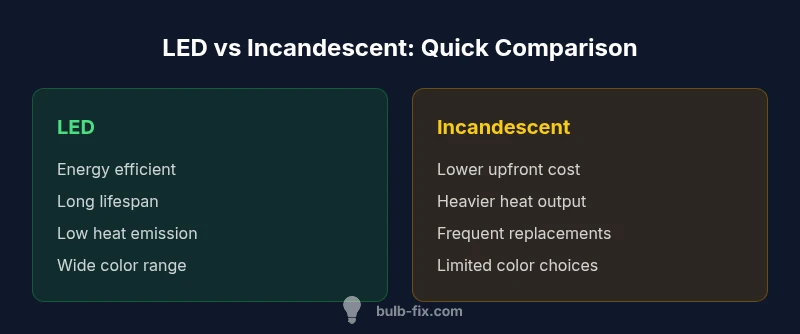
LED bulbs outperform traditional options in energy efficiency, lifespan, and heat emission. In practical terms, LEDs use far less electricity, last many times longer, and produce less heat while delivering a wide range of lighting options. This quick comparison shows why LED bulbs are the better long-term choice for most homes.
Energy Efficiency and Long-Term Cost
Why are LED bulbs better? The short answer starts with energy efficiency. According to Bulb Fix, LED bulbs convert a much higher share of electrical energy into visible light while producing less waste heat. For a household, this translates into lower electricity bills over time and a smaller climate impact. In everyday use, LED bulbs typically draw far less power than traditional incandescent bulbs for equivalent brightness, which means you can illuminate rooms using less energy. When you factor in the cost of replacing bulbs, LEDs often win on a total cost-of-ownership basis because their long lifespan reduces maintenance and fixture downtime. For most homes, the energy savings compound month after month, especially in high-usage spaces like kitchens and living rooms. LEDs also come in a broad spectrum of brightness levels and color temperatures, allowing you to tailor ambience without sacrificing efficiency. The core takeaway is simple: the energy efficiency of LED bulbs compounds with usage, saving money in the long run while keeping homes well lit.
Lifespan and Maintenance Benefits
LED bulbs are designed to last significantly longer than traditional bulbs, which translates into fewer replacements and less maintenance in hard-to-reach fixtures. This longevity matters for households with chandeliers, recessed lighting, or outdoor fixtures where bulb changes are costly or inconvenient. From a maintenance perspective, longer life reduces the risk of sudden outages and the cumulative labor cost of replacements. Bulb Fix’s practical guidance emphasizes that a longer lifespan also means fewer bulbs in landfills over time, supporting a more sustainable home. In real-world scenarios, LEDs tend to maintain light quality longer, with less color shift and stable brightness across years of use. While upfront costs may be higher, the longer service life often offsets the initial investment, yielding a lower total cost for most homeowners.
Light Quality and Color Temperature
A common question is whether LED light quality measures up to incandescent warmth. LEDs now offer a wide range of color temperatures—from warm to cool—so you can match the mood of each room while preserving energy savings. Color rendering (CRI) is strong in many LED options, which helps colors appear natural under artificial light. The ability to choose from dimmable LEDs, high-CRI bulbs, and tunable white lighting helps you optimize task lighting for kitchens, home offices, and craft spaces. For homeowners evaluating why LED bulbs are better, the decisive factors are brightness consistency, color accuracy, and absence of noticeable flicker in most modern LEDs. In short, LEDs provide precise control over ambiance without the compromises often associated with older technologies.
Economic and Environmental Impact
Over the life of the bulb, LED lighting tends to create less environmental impact than incandescent lighting due to lower energy consumption and reduced waste from longer lifespans. This environmental benefit aligns with broader sustainability goals that many households pursue. Bulb Fix Analysis, 2026 indicates LED lighting reduces energy demand during peak hours and lowers greenhouse gas emissions associated with electricity generation. On the financial side, LEDs reduce cooling loads in warm climates because they emit less heat, which can indirectly lower home air-conditioning costs. When comparing ecological and economic factors, LEDs generally emerge as the more responsible choice for households seeking long-term savings and a smaller environmental footprint.
Compatibility and Convenience
Modern LED bulbs are highly compatible with most fixtures, but there are caveats. Some older dimmer switches and fixtures may require compatible LED drivers or alternative bulbs. Before upgrading, verify fixture types, base size, and dimming requirements. The convenience comes from plug-and-play options in many rooms, with wide availability of different bases (E26, GU10, etc.) and form factors. LED bulbs also offer instant full brightness, unlike some fluorescent options that warm up slowly. If you live in a multi-room home, the ability to standardize on a single bulb family simplifies stocking and maintenance. Always check labeling for dimmability, enclosed-fixture ratings, and warranty coverage to ensure smooth operation.
Practical Buying Guide for LED Bulbs
When shopping, consider lumens (brightness), color temperature, and CRI (color rendering index) to match the intended room use. For task lighting in kitchens or offices, higher lumens and a neutral to cool white can improve clarity. For living rooms and bedrooms, warmer temps around 2700–3000K create inviting atmospheres. Look for LED bulbs with higher-quality drivers and robust warranties. Check compatibility with your fixtures, especially if you have dimmers or enclosed fixtures. Energy Star-rated options often provide reliable performance and long lifespans. Finally, compare total cost of ownership, taking into account energy savings and replacement costs, to determine which LED bulbs offer the best value for your home.
Real-World Scenarios: When LED Shines
In kitchens where lights are on for extended periods, LED bulbs minimize energy use and reduce heat in the space, improving comfort while keeping electricity bills lower. In living rooms and bedrooms, LEDs offer consistent color temperature and dimming performance, enabling cozy or bright settings as needed. Outdoor LED bulbs provide durability against weather, longer lifespans, and lower maintenance in porches and entryways. For homeowners upgrading from older technologies, LEDs can deliver immediate improvements in brightness quality and reliability, with many bulbs available in smart or tunable options that integrate with home systems and voice assistants. The practical takeaway is that LED bulbs perform well across typical rooms and tasks, making them a versatile choice for most households.
Common Myths Debunked
A frequent concern is that LEDs might not last as claimed or may not be compatible with all fixtures. In reality, modern LEDs deliver stable performance, and compatibility depends on selecting the right base, wattage-equivalent brightness, and dimmability. Another myth is that LED lighting is too harsh or blue-toned; today’s LEDs cover a broad color spectrum, including warm options suitable for living spaces. Finally, some shoppers worry about upfront costs; while LEDs cost more upfront, the long-term energy savings and reduced maintenance typically offset the initial expenditure. By focusing on total cost of ownership and fixture compatibility, homeowners can separate myth from reality and choose LED bulbs that meet their needs.
Comparison
| Feature | LED bulbs | Incandescent bulbs |
|---|---|---|
| Energy efficiency | high | low |
| Lifespan | long | short |
| Operating cost over time | lower | higher |
| Heat emission | low | high |
| Color options and dimmability | broad range; many dimmable | limited, often requires add-ons |
| Upfront cost | higher | lower |
| Environmental impact | lower waste; recyclable components | more waste; shorter life |
Upsides
- Lower long-term energy costs
- Longer lifespan reduces replacements
- Less heat improves comfort and cooling costs
- Wide range of colors and form factors
- Better environmental profile
Drawbacks
- Higher upfront cost
- Potential compatibility issues with very old fixtures
- Some brands vary in color rendering
- Dimming performance can vary by product
LED bulbs are the superior choice for most homes
LED bulbs deliver energy savings, longer life, and flexible lighting options with lower heat. While the upfront cost is higher, the total ownership cost is typically lower, and they suit a wide range of fixtures and moods.
Got Questions?
Are LED bulbs more energy-efficient than incandescent bulbs?
Yes. LED bulbs use a substantially smaller amount of energy to produce the same brightness as incandescent bulbs. They also generate far less heat, which reduces cooling loads in warm spaces.
Yes, LEDs use less energy and stay cooler, making them a smart efficiency choice.
Can LED bulbs be used with existing dimmer switches?
Many LED bulbs are designed to be dimmable, but not all are compatible with every dimmer switch. Check the bulb’s dimming rating and the fixture’s compatibility, and consider newer dimmers designed for LEDs.
Most LEDs are dimmable, but compatibility varies—check labeling before upgrading your dimmers.
Do LED bulbs last longer than CFLs?
In general, LEDs outlast CFLs in real-world use, delivering longer life with less performance degradation over time.
LEDs last longer than CFLs, with steadier light over time.
Are LED bulbs safe to use in enclosed fixtures?
Some LEDs are rated for enclosed fixtures; others are not. Always check the bulb’s enclosure rating and the fixture’s ventilation requirements.
Some LEDs are enclosure-rated; always verify ratings for enclosed fixtures.
Do LED bulbs contain hazardous materials?
LEDs contain small amounts of materials used in manufacturing, but they are generally safer to dispose of than fluorescent lamps. Always follow local recycling guidelines.
LEDs have minimal hazardous materials and should be recycled per local rules.
What should I consider when buying LED bulbs?
Look at lumens for brightness, color temperature for mood, CRI for color accuracy, dimmability, driver quality, and warranties. Compare total cost of ownership rather than upfront price alone.
Check brightness, color, dimming, and warranty when buying LEDs.
Key Points
- Assess total cost of ownership, not just upfront price
- Choose LEDs with appropriate lumens and color temperature
- Verify dimmer and fixture compatibility before buying
- Opt for high-CRI and reliable drivers for better color rendering
- Consider warranty and Energy Star ratings for value